Your blood is no longer filtered if your kidneys fail. Waste and extra fluids build up in the body. Chemicals become out of balance. This can make you ill and even cause death. Kidney failure has no cure. But certain treatments can help keep your body working the best it can.
Dialysis
Dialysis is a treatment that filters the blood. There are two types of dialysis:
-
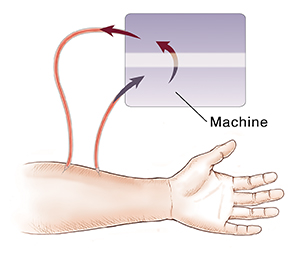
Hemodialysis filters blood with a filter attached to a machine. Blood travels from your body to the machine. Your blood is cleaned and returns to your body.
-
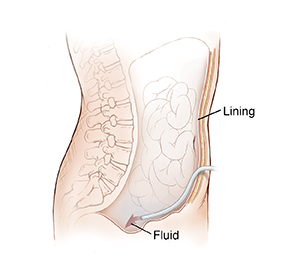
Peritoneal dialysis uses the natural lining in your belly (abdomen). A fluid placed inside your belly works with the lining to clean your blood.
Kidney transplant
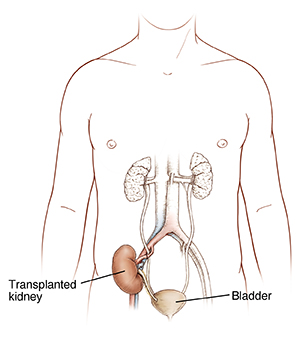
A kidney transplant is a type of surgery. This is the way health care providers prefer to treat kidney failure. Compared with dialysis, a transplant can offer you a better quality of life. It can also offer a longer life. A kidney is removed from another living person or from an organ donor who has just died. The donated kidney is then placed in your body. The new kidney is placed close to your bladder. Your old kidneys are not removed. Once in place, the new kidney takes over the work that the old kidneys can no longer do. You don't need dialysis if the transplant is successful.
Medicines
You may also need medicines to help with your kidneys' other tasks. This is in addition to one of the treatments listed above. Your care team can tell you more about these medicines.
Online Medical Reviewer: Marianne Fraser MSN RN
Online Medical Reviewer: Raymond Kent Turley BSN MSN RN
Online Medical Reviewer: Walead Latif MD
Date Last Reviewed: 03/01/2025
© 2000-2026 The StayWell Company, LLC. All rights reserved. This information is not intended as a substitute for professional medical care. Always follow your healthcare professional's instructions.
Related Articles
Peritoneal Dialysis (PD) Catheter Access: Placing the Catheter
Peritoneal dialysis (PD) is a treatment that can take over when your kidneys stop working. PD uses the lining of your abdomen as a filter for your blood. Before PD can be done, an opening into this lining must be made. This is done by placing a soft tube called a catheter into your abdomen.
Arteriovenous (AV) Fistula for Dialysis
An AV fistula is a connection between an artery and a vein. For this procedure, an AV fistula is surgically made using an artery and a vein in your arm.
Kidney Transplant
A kidney transplant is a surgery done to replace a diseased or injured kidney with a healthy kidney from a donor. The kidney may come from a deceased donor or from a living donor.
Treating Kidney Stones: Medicines
In some cases, your doctor may prescribe medications to dissolve or prevent kidney stones. Or medications may be prescribed to stop an infection. Once the infection is controlled, your stone can be removed.