It’s important to develop healthy eating habits while you are pregnant, for you as well as for your baby. Here are some ways to stay healthy.
Aim for a healthy weight
A slow, steady rate of weight gain is often best. After the first trimester, you may gain about a pound a week. If you were overweight before pregnancy, you need to gain fewer pounds. Your healthcare provider can give you a healthy weight goal for your pregnancy.
Don’t diet
Now is not the time to diet. You may not get enough of the nutrients you and your baby need. Instead, learn how to be a healthy eater. Start by doing it for your baby. Soon, you may do it for yourself.
Vitamins and supplements
Talk with your healthcare provider about taking these and other prenatal vitamins and supplements.
-
Iron makes the extra blood you need now.
-
Calcium and vitamin D help build and keep strong bones.
-
Folic acid helps prevent certain birth defects.
-
Iodine helps the thyroid work right.
-
Some vitamins may not be safe to take. Your healthcare provider will tell you which ones to avoid.
Fluids
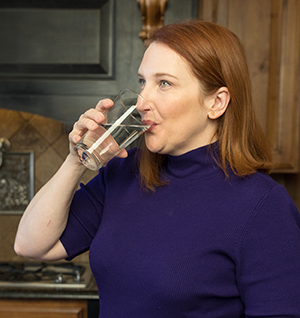
Drink at least
-
Water or seltzer water with a slice of lemon or lime. (These can also help ease an upset stomach.)
-
Clear soups that are low in salt
-
Low-fat or fat-free milk, soy or rice milk with calcium added
-
Ice pops or gelatin
Things to avoid
Some things might harm your growing baby. Don’t eat or drink:
-
Alcohol
-
Unpasteurized dairy foods and juices
-
Raw or undercooked meat, poultry, fish, or eggs
-
Unwashed fruits and vegetables
-
Prepared meats, like deli meats or hot dogs, unless heated until steaming hot
-
Fish that are high in mercury, like shark, swordfish, king mackerel, tilefish, and albacore tuna
Things to limit
Ask your healthcare provider whether it’s safe to eat or drink:
-
Caffeine
-
Artificial sweeteners
-
Organ meats
-
Certain types of fish
-
Fish and shellfish that contain mercury in lower amounts, like shrimp, canned light tuna, salmon, pollock, and catfish
Featured in
Online Medical Reviewer: Freeborn, Donna, PhD, CNM, FNP
Online Medical Reviewer: Sacks, Daniel, MD, FACOG
Date Last Reviewed: 03/01/2024
© 2000-2026 The StayWell Company, LLC. All rights reserved. This information is not intended as a substitute for professional medical care. Always follow your healthcare professional's instructions.
Related Articles
What Is Prenatal Care?
Before becoming pregnant, you may have adopted good health habits to get ready for your baby. But if you didn't, start today. Read on to learn more.
Blood Glucose Screening During Pregnancy
A blood glucose screening tests for gestational diabetes. Learn about who is at risk for this condition, what happens during a screening, what to know if you test positive, and how to treat it.
Comfort Tips During Pregnancy
Here are tips for first, second, and third trimesters to cope with issues like nausea, fatigue, mood swings, and headaches.
Labor and Childbirth: Your Body Prepares
Learn about the physical changes that often signal that your baby will soon be born.