Pregnancy is a time when your oral health needs more attention. Hormone changes during pregnancy can cause problems with teeth and gums. And they can make treatment more complicated.
How pregnancy affects oral health
Hormone changes in pregnancy can cause swollen, bleeding, and irritated gums. This is called gingivitis. Your gums may be very sore. Brushing and flossing may cause discomfort. If not treated, gingivitis can lead to a more serious gum disease called periodontitis. Severe periodontitis can lead to tooth loss.
Sometimes during pregnancy a person also has small bright-red growths on their gums that bleed easily. These are often called pregnancy tumors. They are not cancer. They usually go away right after birth. Talk with your dentist or doctor if you have concerns.
Keeping a healthy mouth
-
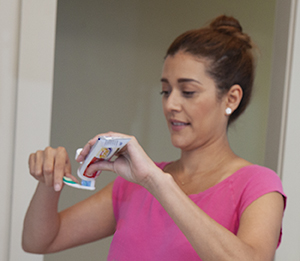
Brush twice daily with fluoride toothpaste. Floss at least once a day.
-
If you have frequent morning sickness, rinse your mouth with a teaspoon of baking soda mixed with water after vomiting. This is to stop the stomach acid from attacking teeth. Wait 30 minutes to 1 hour after vomiting before brushing teeth to avoid removing tooth enamel.
-
See your dentist for cleanings and checkups more often if needed. This is especially true in your second and third trimesters.
-
Ask your dentist or doctor if you should use a special mouth rinse to help prevent gingivitis.
-
Tell your dentist or doctor about any changes in your mouth, such as soreness or bleeding.
Safety concerns
Make sure to tell your dentist that you’re pregnant. They can help you stay safe. If you need to have dental X-rays during pregnancy, you will be fully protected by wearing a lead apron over your belly during the X-ray process. The apron helps block radiation from the X-rays.
If you need to take medicines like antibiotics or pain relievers for dental problems, ask your doctor first. They will talk with you about the risks and benefits of taking these during pregnancy.
If you have a high-risk pregnancy, your dentist and your doctor may advise you that some dental treatments should wait until after you give birth.
Online Medical Reviewer: Daphne Pierce-Smith RN MSN
Online Medical Reviewer: Rita Sather RN
Date Last Reviewed: 04/01/2025
© 2000-2026 The StayWell Company, LLC. All rights reserved. This information is not intended as a substitute for professional medical care. Always follow your healthcare professional's instructions.
Related Articles
Pelvic Floor Muscle Exercises
The pelvic floor muscles may weaken due to aging, pregnancy and vaginal childbirth, injury, surgery, chronic cough, or lack of exercise. If the pelvic floor is weak, your bladder and other pelvic organs may sag out of place. The urethra may also open too easily and allow urine to leak out. Kegel exercises can help you strengthen your pelvic floor muscles so they can better support the pelvic organs and control urine flow.
Labor and Childbirth: Your Body Prepares
Learn about the physical changes that often signal that your baby will soon be born.
Pregnancy: Your Weight
The weight you gain now is not just extra fat. It is also the weight of your baby. And it is the increased blood and fluids to support the baby.
Nutrition During Pregnancy
Not only is eating nutritious food good for you and your baby, it also can ease some of the discomforts of pregnancy. A balanced diet can help minimize symptoms, such as nausea and constipation.