Certain changes may help you manage Ménière’s disease. Some of these changes are minor. Others may require more effort and dedication, such as lowering stress.
Reduce your stress
Stress doesn’t cause Ménière’s disease, but it may cause symptoms or make them worse. Ask your health care provider how to manage stress. These tips can help you get started:
-
Pay attention to what makes you feel tense. Note how your body responds to tension. “Listen” to your body for signs such as stomach upset, tensed muscles, clenched teeth, or other symptoms.
-
Avoid things that may increase your stress and affect your health. These include unhealthy eating habits, too much screen time, smoking, sleeping a lot or too little, and drinking too much alcohol or caffeine.
-
Talk with your provider about starting a regular exercise program. Exercise is a great way to reduce stress. Include an aerobic activity such as walking, jogging, bicycling, or swimming in your exercise program. Also include exercises to strengthen muscles. You may also need to make some changes to your diet.
-
Take time out from your daily errands and chores to do things you enjoy and find relaxing. Don’t look at relaxation time as wasted time. Instead, think of it as an investment in your health.
-
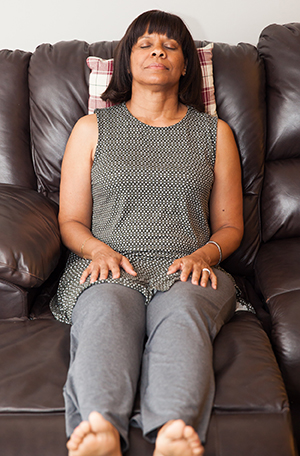
Ask your provider about visualization techniques, deep-breathing exercises, progressive muscle relaxation, stretching, yoga, prayer, meditation, and biofeedback. These are all ways to help reduce stress.
Online Medical Reviewer: Jessica Gotwals RN BSN MPH
Online Medical Reviewer: Melinda Murray Ratini DO
Online Medical Reviewer: Shaziya Allarakha MD
Date Last Reviewed: 03/01/2025
© 2000-2026 The StayWell Company, LLC. All rights reserved. This information is not intended as a substitute for professional medical care. Always follow your healthcare professional's instructions.
Related Articles
Tinnitus: Stopping the Sound in Your Head
People with tinnitus hear a constant ringing in their ears. Learn more about this condition, including causes and treatment.
Managing Balance Problems: Vestibular Rehabilitation Therapy
An inner ear problem can affect your balance. Vestibular rehabilitation therapy can help with your symptoms.
Hearing Protection: Measuring Sound
Learn about how loudness is measured and when you need hearing protection.
How Hearing Aids Can Help You
Many people find that a correctly selected and fitted hearing aid helps them hear much better. Here's what you need to know.