After AVM (arteriovenous malformation) surgery is done, the surgeon will talk with your loved ones. You'll wake up in a recovery area. Then you'll be moved to a special unit where you can be closely watched. This is often an ICU (intensive care unit).
In the hospital
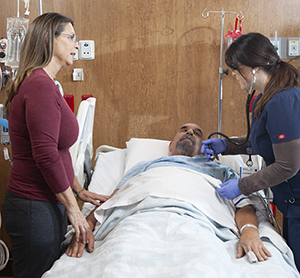
If you're in pain, your nurses can give you medicines to help. Special equipment may be used to monitor your condition and help you breathe. When you're able, you'll be moved from the ICU to a step-down unit or to a regular hospital room. You'll continue your recovery there.
At home
You may be able to go home as soon as you can walk, eat, and drink normally. You may have an office visit within a week or so after your surgery. At this time, any remaining stitches or staples may be removed. You can expect to meet with your surgeon several times during the first few months. You may also have follow-up imaging, such as an MRI or CT scan. These make sure your AVM is stable.
When to call the healthcare provider
Call your surgeon right away if you have any of the following:
-
Increased drowsiness
-
Ongoing nausea or vomiting
-
Headaches
-
Seizure
-
Shortness of breath
-
Increased muscle weakness
-
Fever of 100.4°F (38°C) or higher, or as directed by your provider
-
Burning feeling when you pee
-
Redness or drainage from the incision or an IV site
-
Swelling of a leg with or without pain in the calf
Featured in
Online Medical Reviewer: Anne Fetterman RN BSN
Online Medical Reviewer: Luc Jasmin MD
Online Medical Reviewer: Raymond Kent Turley BSN MSN RN
Date Last Reviewed: 04/01/2024
© 2000-2026 The StayWell Company, LLC. All rights reserved. This information is not intended as a substitute for professional medical care. Always follow your healthcare professional's instructions.
Related Articles
AVM: Preparing for surgery
Here you will find out how to prepare for AVM surgery, what to expect the day of surgery, and the risks of surgery.
Wound Care After Surgery: Pain
It's normal to feel pain at the incision site. The pain decreases as the wound heals. Pain that continues more than a few weeks after surgery or pain that gets worse any time after surgery can be a sign of a problem.
ICD Discharge
Know what to expect after an ICD discharge.
Complex Regional Pain Syndrome
Complex regional pain syndrome is an abnormal response by the body to an injury. Symptoms include constant pain and sometimes swelling, sweating, and skin color and temperature changes in the affected area. Treatments include pain medicines, physical therapy, and electrical nerve stimulation.