Pain after an operation (post-op pain) is common and expected. These guidelines can help you stay as comfortable as possible.
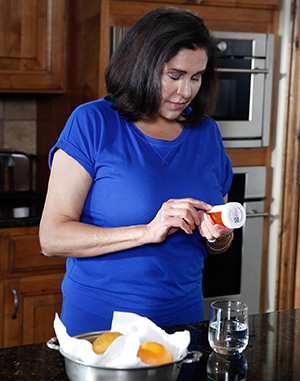
Taking pain medicines
-
Take only the medicines that your health care provider tells you to take.
-
Don't take more than prescribed. Don't take your next dose sooner than prescribed.
-
Take pain medicines with some food to prevent an upset stomach.
-
Don’t drink alcohol while using pain medicines.
-
Don't drive while taking opioid pain medicines.
Types of pain medicines
Non-opioid
-
Check with your health care provider before you take any over-the-counter (OTC) pain reliever in addition to or instead of your prescribed pain medicine.
-
Non-opioids include OTC acetaminophen and ibuprofen and some prescription pain relievers.
-
All relieve mild to moderate pain. Some reduce swelling.
-
Possible side effects include stomach upset and bleeding. High doses may cause kidney or liver problems.
Opioid
-
Opioids are available only by prescription.
-
Opioids ease moderate to severe pain.
-
Possible side effects include stomach upset, nausea, drowsiness, rash, and itching.
-
Opioids may cause constipation. To help prevent this, eat high-fiber foods and drink plenty of water.
-
Your health care provider may recommend a stool softener.
-
Don't drive, make important decisions, or operate machinery while taking opioids.
When to call your doctor
Contact your health care provider or seek medical attention right away if you:
-
Have nausea, vomiting, diarrhea, constipation, or stomach cramps.
-
Have breathing problems or a fast, racing heart rate. (Call 911.)
-
Feel tired, sluggish, or dizzy.
-
Have a skin rash or other allergic symptoms.
-
Have pain that is not eased with the pain medicine.