Since you’ve had a heart attack, your risk of having another is increased. Before you leave the hospital, ask your healthcare provider what symptoms to watch for. The list below may help. Keep in mind that the symptoms of a second heart attack may feel a lot like the symptoms of the first one. But they can also feel completely different. Also remember that women may have some symptoms that are different from men.
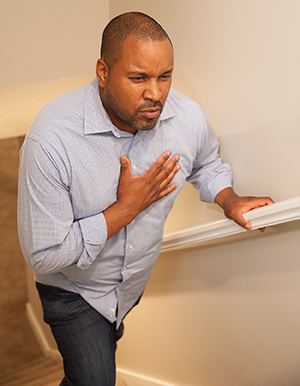
The faster you get help during a heart attack, the less damage to your heart. If you think you’re having another heart attack, call
-
Pain, pressure, squeezing, discomfort, or pain in the chest.
-
Other mild pain or discomfort in the neck, jaw, shoulders, arms, or back.
-
Rapid or irregular or skipped heartbeats, palpitations.
-
Shortness of breath.
-
Dizziness or faintness.
-
Upset stomach (nausea) or vomiting.
-
Cold sweat or sweating without any cause.
If you have diabetes, your symptoms may be very mild. Or you may not even have warning symptoms at all.
To learn more
For more information, visit these websites:

Related Articles
Pericarditis
Read on to learn how to care for yourself at home when you have pericarditis.
Established High Blood Pressure
High blood pressure (hypertension) is a long-term disease. Read on to learn how to care for yourself at home.
Recognizing a Heart Attack or Angina
If you have risk factors for heart problems, it's important to watch for signs of a heart attack such as chest pain.
What Is Angina?
Angina is often described as chest pain, but this can be misleading. Angina isn't always painful, and it isn’t always felt in the chest. Learn more about what this heart condition feels like, and when it can happen.