
Colds, flu, and allergies make it more likely for you to get sinusitis. Do your best to prevent sinusitis by preventing these problems. Do what you can to keep from getting colds and other infections. Stay away from things that cause allergies (allergens). Keep your sinuses as moist as you can.
Air travel tip
When traveling on an airplane, use saline nasal spray to keep your sinuses moist. Drink plenty of fluids. You may also want to take a decongestant before you get on the plane.
Prevent colds
Do what you can to prevent being exposed to colds and flu. When possible, take more time to rest when you feel like you're coming down with something.
-
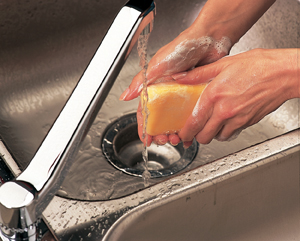
Practice correct handwashing. Wash your hands often.
-
Wash your hands often with soap and clean, running water. Scrub them for as long as it takes you to sing the "Happy Birthday" song from beginning to end, twice. This is especially important during cold and flu season. Try not to touch your face.
-
Use an alcohol-based hand sanitizer that contains at least 60% alcohol when you can’t wash your hands.
-
-
Prevent lung infections. Ask your healthcare provider about the flu and pneumonia vaccines. Take steps to prevent colds and other lung infections.
-
Stay away from crowds during cold and flu season.
-
Follow this advice for staying healthy: Eat balanced meals, exercise regularly, and get plenty of sleep.
Stay away from allergens
First find out what things you’re allergic to. Then take steps to stay away from allergens or irritants in the air, such as dust, pollution, and pollen.
-
Wear a mask when you clean. Or think about hiring a house cleaner to help you stay away from dust.
-
Stop smoking. If you need help stopping smoking, talk with your healthcare provider.
-
Stay away from secondhand smoke and other irritants. Try to stay away from smoke, chemicals, fumes, and dust. Don’t let anyone smoke in your home. Stay indoors on smoggy days. Sit in the nonsmoking sections of restaurants.
-
Don't go outdoors during peak pollution hours, such as rush hour.
-
Keep an air conditioner on during allergy season. Clean its filter regularly.
-
If these actions don't work or your symptoms get worse, ask your healthcare provider about a referral to have an allergy evaluation. Or ask for a referral to see an allergy specialist.
Boost moisture
Keeping your sinuses moist makes your mucus thinner. This allows your sinuses to drain better. And this helps prevent infection. Ask your healthcare provider about these suggestions:
-
Use a humidifier. Clean it often to remove any mold or mildew.
-
Drink several glasses of water a day.
-
Stay away from drinks, such as alcohol and coffee. Alcohol can cause sinus pressure and congestion. Coffee can dry out your sinus linings.
-
Stay away from all types of smoke, which also dries out sinus linings. This includes tobacco smoke and chemical smoke in workplace settings.
-
Use saltwater rinses.